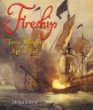
 Fireship: The Terror Weapon of the Age of Sail, Peter Kirsch. A lavishly illustrated look at one of the most feared weapons of the age of sail. This is a very impressive piece of work – well written and researched, wide ranging in scope and with detailed accounts of most of the key fireship attacks from the sixteenth century wars against Spain to the Greek War of Independence. An essential read for anyone interested in naval warfare in the age of sail. [see more]






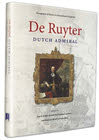 De Ruyter, Dutch Admiral, ed Jaap R. Bruijn, Ronald Prud'homme van Reine and Rolof van Hövell tot Westerflier.